
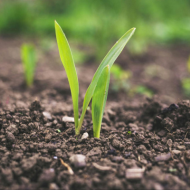
Two common terms in this domain are “soilscape” and “soil survey”. These terms may sound similar, but they are different. Here’s what you need to know.
Author Archives: adminlra
04
May
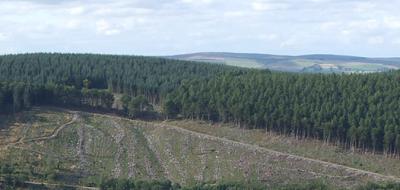
The aim of Environmental Impact Assessment (EIA) is to ensure that a local planning authority (LPA), when deciding whether to grant planning permission for a major development, does so in the full knowledge of the likely significant effects on the environment.

04
Apr
Starting to learn about soil science might feel overwhelming, but it’s essential for grasping how our planet’s ecosystem operates and for enhancing farming methods.

06
Dec
Take a trip through the soilscapes of England. We have gathered some of the most stunning British scenery and the type of soils that form it.

27
Apr
LRA have been involved in the production of guidance notes which help non-soil specialists such as Local Authorities and Planners in their decision making process when working with soils.
27
Nov
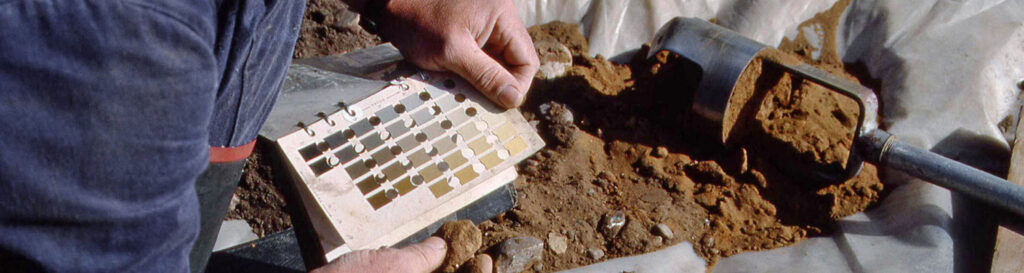
It is important to have a detailed knowledge of soil characteristics and their distribution within a site so that informed decisions can be made about land use to ensure their protection from damage.

18
Jan
First published in 2012, the National Planning Policy Framework sets out the government’s planning policies for development in England. Find out more about what it states and the 2018 revision.
04
Jul
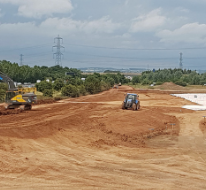
Despite construction activity having the largest impact on soil sustainability within the urban environment, it has been relatively rare for the construction industry to consider sustainable use of soil resources, except sometimes as an afterthought.

03
Jul
The Town and Country Planning (Environmental Impact Assessment) Regulations 2017 came into force on 16th May transposing the 2014-amended EIA Directive into UK law and requiring an environmental statement to be prepared by competent experts

23
Feb
World Soil day on 5th December celebrates the importance of soil as a critical component of the natural system and as a vital contributor to the human commonwealth through its contribution to food, water and energy security and as a mitigator of…